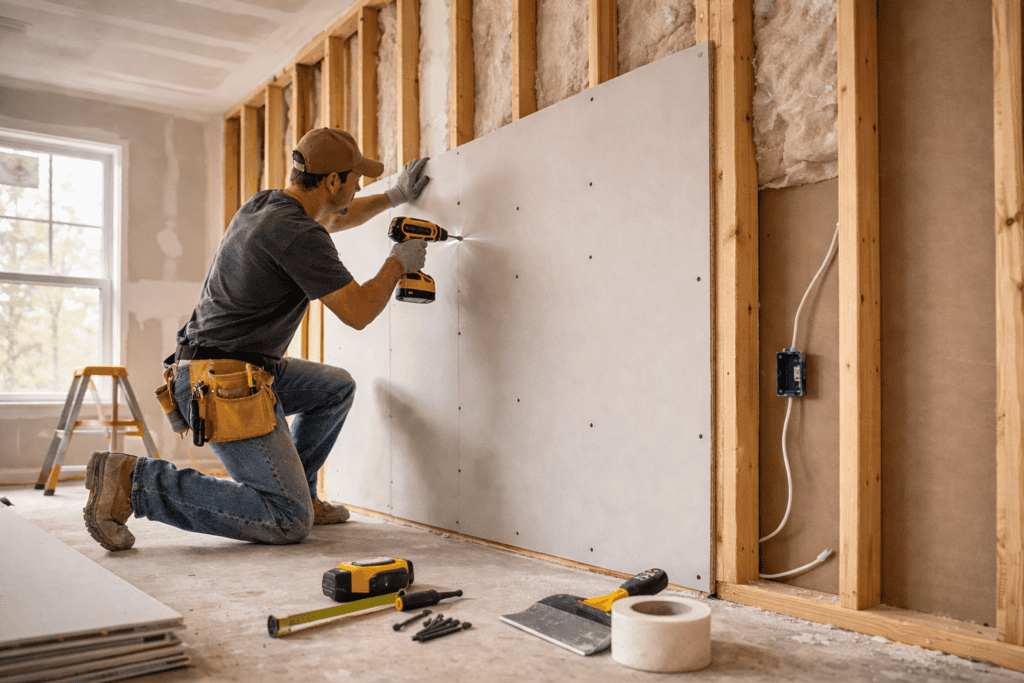
Strong wall surfaces help maintain a neat and well-finished interior throughout daily use. Drywall repair contractors handle damaged areas with careful preparation, repair work, and finishing. Their process focuses on restoring weak sections without creating visible uneven areas. Good preparation also helps later painting produce a more consistent surface appearance. Careful workmanship can prevent small wall problems from becoming larger maintenance concerns.
Careful Preparation Supports Better Results
Proper preparation creates a stronger base for every repair task. Damaged sections require checking before any filling or finishing work begins.
Cracks, holes, loose areas, and uneven joints can require different repair methods. Moisture signs may also require attention before surface restoration starts. Skipping these checks can leave hidden problems beneath fresh finishing material. A careful inspection helps determine the right repair approach from the beginning.
Surface Damage Needs Proper Attention
Different wall problems require different levels of preparation before finishing. Small marks may need simple filling while deeper damage requires additional support.
Surface edges should remain clean before new material gets applied. Loose pieces should be removed carefully without widening the damaged section. Repairs should then be built gradually for better control. Allowing suitable drying time also helps prevent unwanted surface movement later.
Good finishing depends on patience throughout each repair stage. Rushing one step can create marks that become noticeable after painting. Proper preparation therefore remains important from the first inspection through final smoothing.
Simple Checks Improve Repair Quality
Several practical checks can help maintain consistent workmanship during restoration. Each step should focus on surface condition, material control, and finishing accuracy.
- Inspect damaged sections carefully before beginning any repair work.
- Remove weak material while keeping surrounding areas stable.
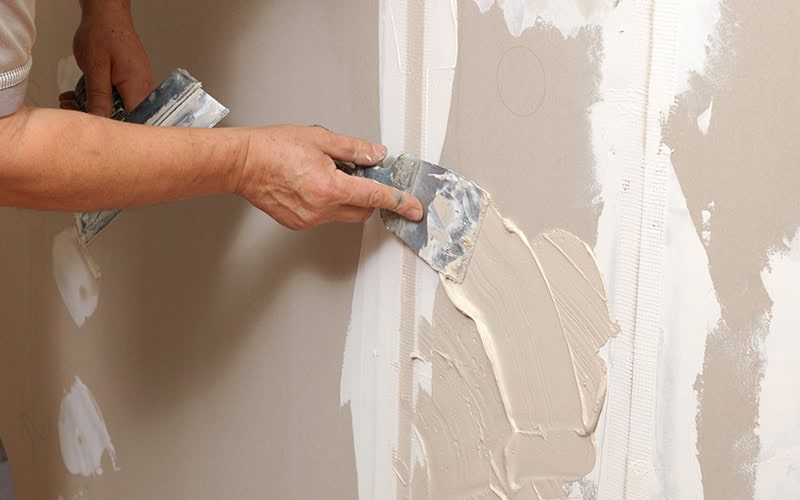
- Apply suitable filler gradually to control surface depth.
- Smooth repaired areas after materials become properly dry.
- Check finished surfaces under suitable lighting before painting begins.
Careful checking also helps identify small flaws before completion. Uneven edges can become more noticeable after a new paint layer. Early correction usually requires less effort than repairing finished surfaces again.
Finishing Requires Consistent Surface Control
Finishing work determines how naturally a repaired section blends with surrounding areas. Uneven application can create ridges, shallow marks, or visible changes in texture.
During practical repair work, Drywall repair contractors may use several preparation stages before the surface becomes ready for painting. Each stage needs proper drying time and careful smoothing.
| Repair Concern | Suitable Check | Expected Result |
| Small surface holes | Check depth and edges | Cleaner filling |
| Open cracks | Examine surrounding material | Better repair stability |
| Uneven joints | Inspect surface level | Smoother connection |
| Deep damaged areas | Check underlying condition | More controlled restoration |
| Final surface marks | Review under clear lighting | Improved finish quality |
A common limitation involves older surfaces that already contain previous repairs. Matching those areas can require additional preparation before the new section blends properly.
Common Questions
- What should happen before wall repair begins?The damaged section should be inspected carefully before selecting suitable repair materials.
- Why does drying time matter during repairs?Proper drying helps reduce marks, movement, and uneven areas after finishing.
- Can serious damage require extra preparation?Yes, deeper sections may need additional support before surface finishing begins.
- When should the repaired surface be checked?Review the area after smoothing and before applying any new paint.
- Why can older repairs create difficulty?Existing patches may have different textures that require extra preparation for blending.
- Does careful finishing improve wall appearance?Yes, controlled smoothing helps repaired sections blend more naturally with nearby surfaces.
Lasting Surface Care
Good restoration depends on careful preparation, suitable materials, and controlled finishing throughout. Each repair stage should receive enough attention before the next begins. Regular inspection can reveal minor damage before larger corrections become necessary. Clear workmanship also reduces visible differences across repaired sections. Consistent execution remains the practical foundation for dependable wall maintenance.