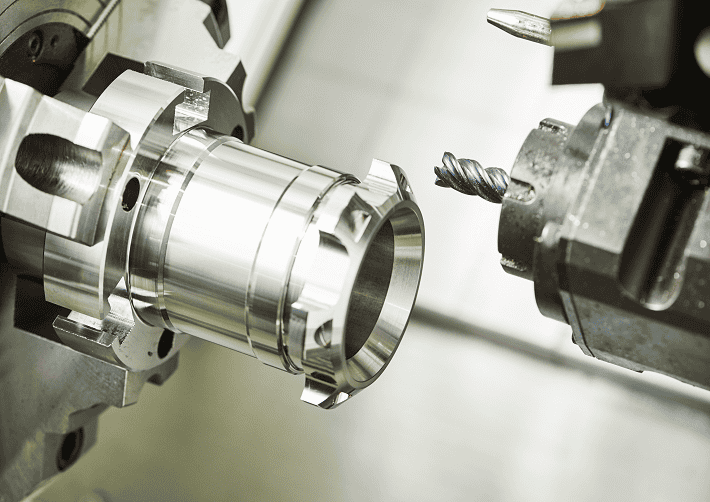
Reliable machinery depends on parts that match exact dimensions, material needs, and operating demands. Engineered components help maintain steady movement, proper alignment, and dependable output during demanding tasks. Their design considers load, heat, friction, pressure, and repeated use. Careful production also reduces fitting issues during assembly. For precise requirements, cnc machine shop Dallas capabilities can support accurate component creation.
How Do Precise Parts Improve Function?
Accurate parts help machinery maintain correct positioning during repeated operation. Small dimensional errors can create vibration, uneven movement, or premature wear. Proper machining keeps mating surfaces aligned while preserving required tolerances. This supports dependable industrial equipment operation under regular production demands.
Which Materials Suit Heavy Machinery?
Material selection directly influences strength, durability, and resistance during demanding applications. Engineers consider load levels, temperature exposure, surface contact, and operating conditions before production.
- Hardened alloys support demanding loads during repeated mechanical movement.
- Stainless grades resist moisture while retaining useful structural strength.
- Aluminum options reduce mass where lighter construction suits requirements.
- Brass components provide suitable movement for selected mechanical assemblies.
- Specialty plastics reduce friction within specific low-load applications.
Can Custom Design Reduce Assembly Issues?
Custom design allows each part to match the exact structure surrounding it. This is useful when standard dimensions cannot satisfy existing machinery requirements. Measurements can account for mounting points, clearances, thickness, and connection details. Such planning helps reduce fitting changes during installation.
For tailored pieces made from approved drawings or samples, a cnc machine shop Houston can provide accurate production suited to specific requirements Custom sizing also supports older equipment where replacement parts may no longer follow current specifications. Engineers can refine shapes to improve contact between connected sections. This helps reduce unnecessary movement while supporting dependable machinery operation.
What Supports Long-Term Component Accuracy?
Consistent accuracy depends on controlled machining, suitable tooling, and careful inspection practices. Production teams can follow approved measurements throughout each manufacturing stage. Regular checks help identify dimensional changes before they affect completed parts.
- Verified drawings establish clear dimensions before machining begins.
- Calibrated instruments confirm measurements throughout critical production stages.
- Suitable cutting tools preserve clean surfaces during fabrication.
- Sample inspections identify variations before larger batches continue.
- Recorded measurements support traceability across repeated manufacturing orders.
Where Do Reliable Components Add Value?
Engineered parts support pumps, processing machinery, production systems, and specialized equipment. Their role extends beyond simple replacement because each piece can influence overall mechanical coordination. Correct sizing helps connected assemblies operate with fewer interruptions. Strong construction also supports industrial systems facing repeated workloads.
Reliable results come from accurate measurements, suitable material choices, controlled fabrication, and careful verification. Applying these practices can reduce fitting concerns while extending useful operating periods. A clear production method gives equipment owners a dependable route toward stable mechanical performance.