Large city projects often look simple from the outside. Lights turn on, systems run, and everything feels steady throughout the day. Behind many of these setups, work connected to Aotea Electric Auckland helps keep everything operating without drawing attention, even when the systems are handling heavy demand.
How major buildings stay powered without disruption
Every big building depends on stable power flow. Even a short interruption can affect lifts, lighting, and daily operations across multiple floors.
Teams usually focus on:
- backup systems that activate quickly
- balanced load distribution
- early fault detection
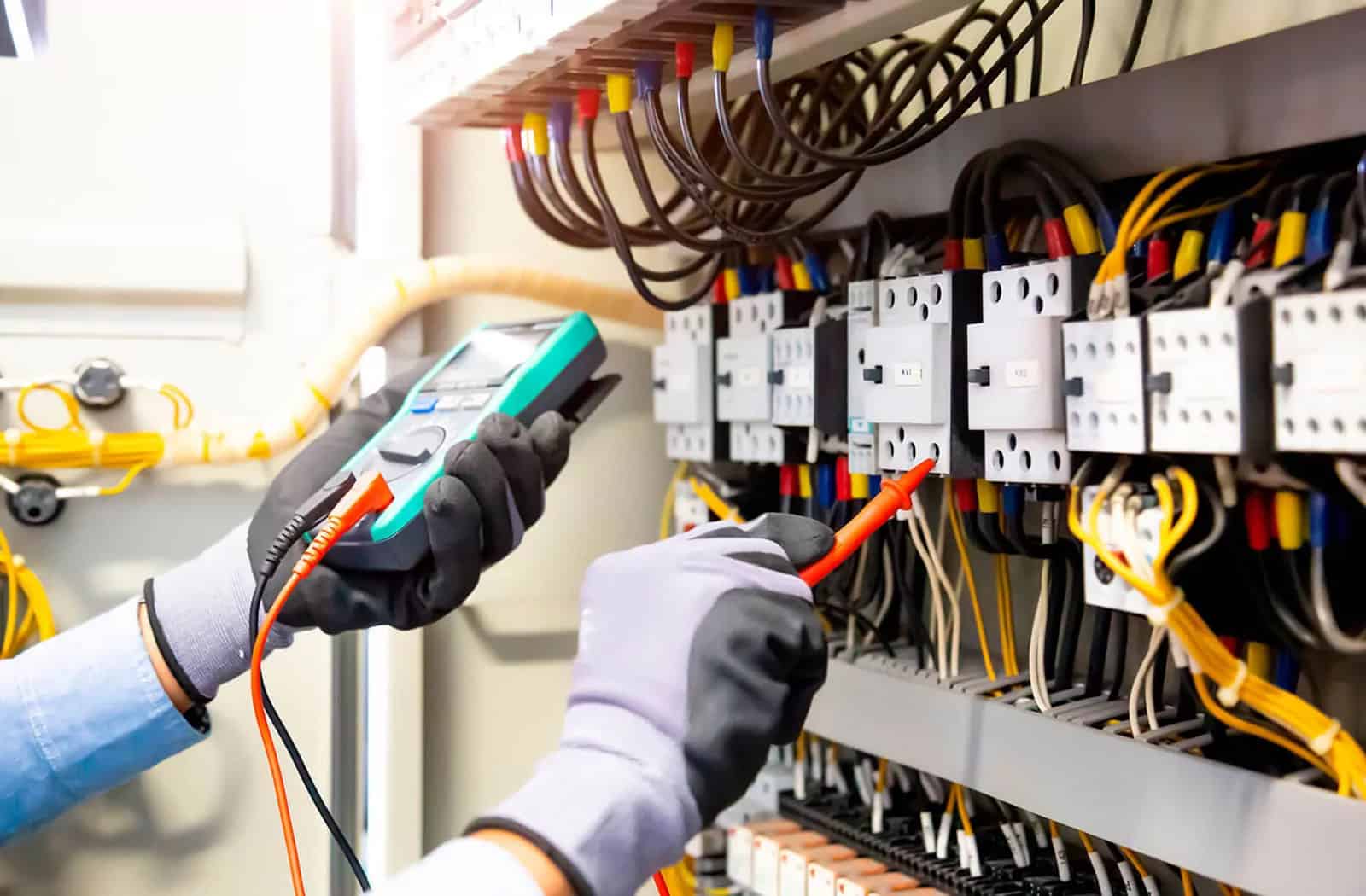
These checks are not always visible, but they quietly prevent larger problems. And most of the time, people never realise how close a system came to failing.
Behind the scenes of skyline level installations
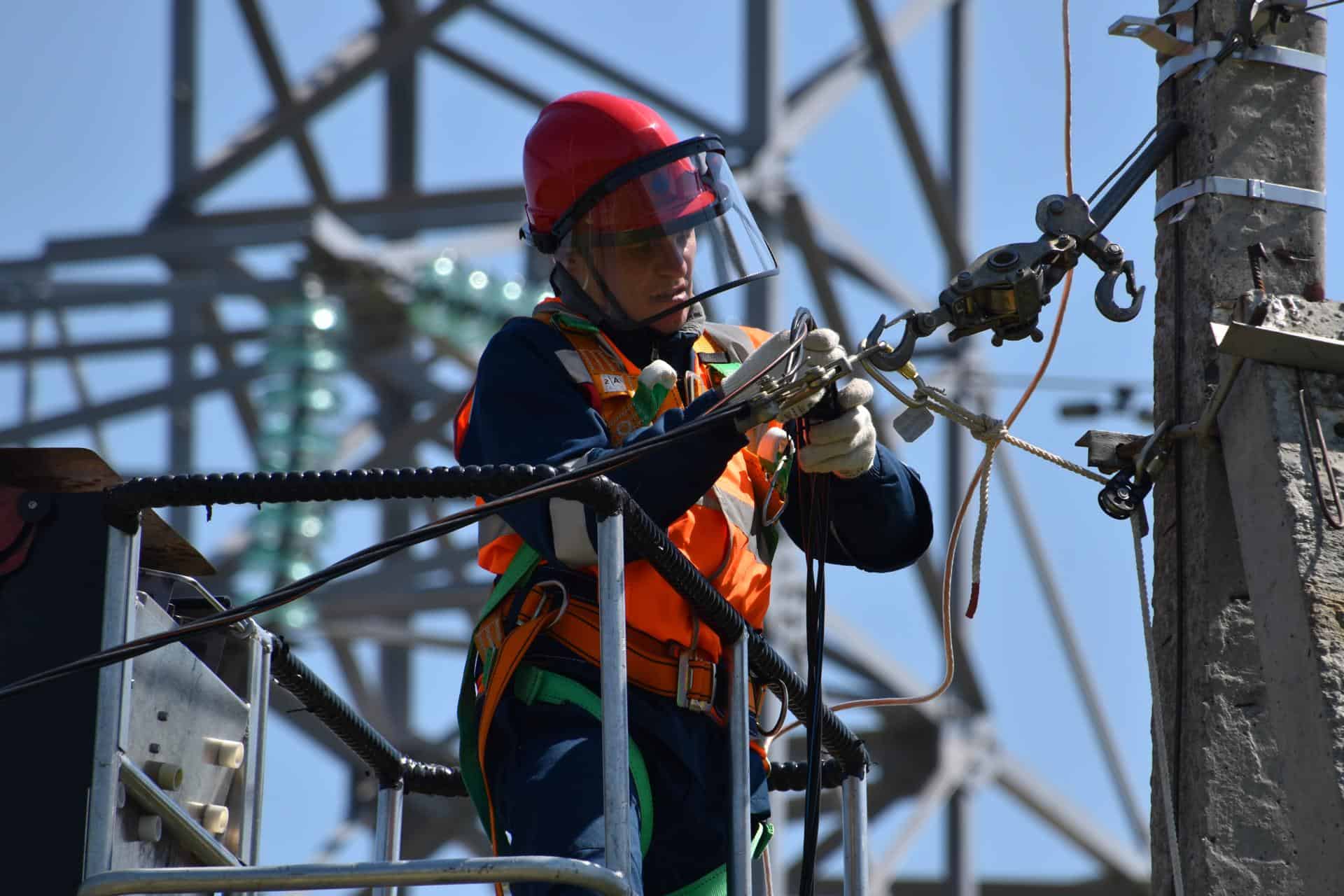
Working on tall structures or visible landmarks brings added pressure. It is not just about installing cables or panels. It also involves planning for long term performance.
Tasks often include:
- routing cables safely through complex layouts
- securing installations against movement or weather
- making sure systems last without frequent repairs
Sometimes, working at height changes how even simple tasks are done. It slows things down a bit.
Balancing safety speed and precision
There is always pressure to complete work quickly, especially in large projects. But speed cannot come at the cost of safety.
Work often depends on:
- how complex the system is
- how many people are on site
- how easy it is to access key areas
In some cases, slowing down actually prevents delays later. It might feel unnecessary in the moment, but it helps avoid rework.
Small details that affect big outcomes
It is often the small things that create bigger issues over time.
Examples include:
- loose fittings that lead to unstable connections
- incorrect placements that affect performance
- minor installation errors that grow into faults
These details are easy to miss, especially in large projects. But they matter more than expected.
Why experience matters more over time
Experience changes how teams approach problems. Instead of reacting after something goes wrong, experienced teams often spot early signs and act before issues grow.
They tend to:
- predict potential faults
- adjust plans when needed
- handle unexpected situations calmly
And this approach builds reliability over time. Systems become more stable, and fewer disruptions occur.
At different points in these projects, Aotea Electric Auckland supports systems that simply continue running without drawing attention, which is usually the goal in large scale work
That kind of consistency does not happen by chance. It builds slowly, project after project, detail after detail.