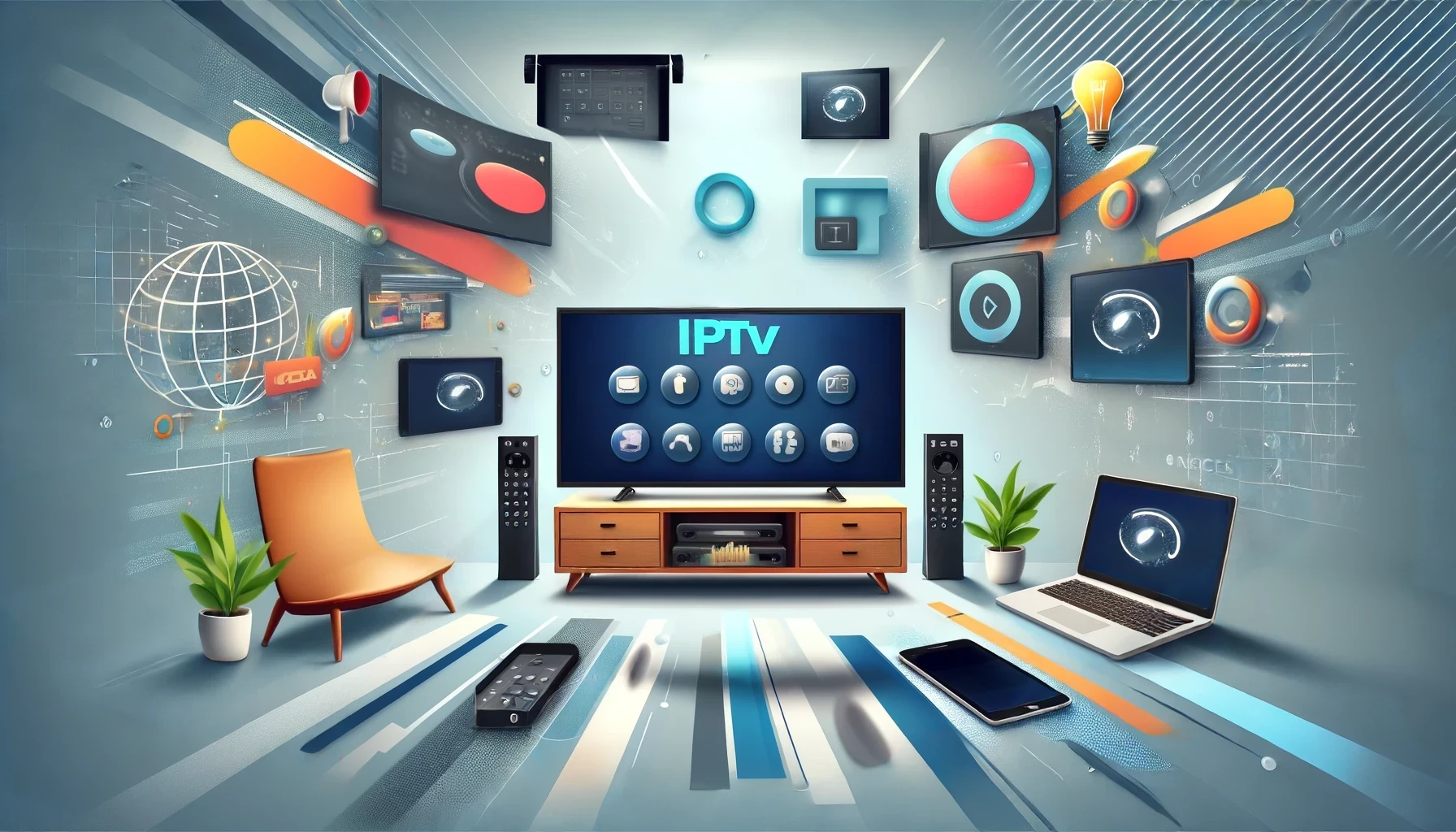
Internet television looks simple from the couch. Press play. Watch. That is it. But behind that calm screen, a lot can go wrong if the tech does not hold up. Viewers usually notice only when something breaks. Buffering. Sudden drops. Blurry video. In everyday talk about streaming issues, Crack streams often comes up naturally as a phrase people associate with IPTV style viewing, not because they understand the systems, but because these problems feel familiar.
IPTV works well most of the time. When it does not, the reasons usually come down to a few common technical challenges.
- Internet speed changing without warning
- Network congestion during peak hours
- Weak Wi Fi signals inside homes
- Devices struggling with high resolution streams
Adaptive Streaming Technology
One quiet solution already built into IPTV is adaptive streaming. The system adjusts video quality based on real time conditions.
If the connection weakens, resolution drops slightly to keep playback smooth. When the connection improves, quality rises again. This happens automatically, without asking the viewer.
People notice this as a quick blur that sharpens again. It is not perfect, but it keeps watching continuous instead of stopping entirely.
Latency And Delay Challenges
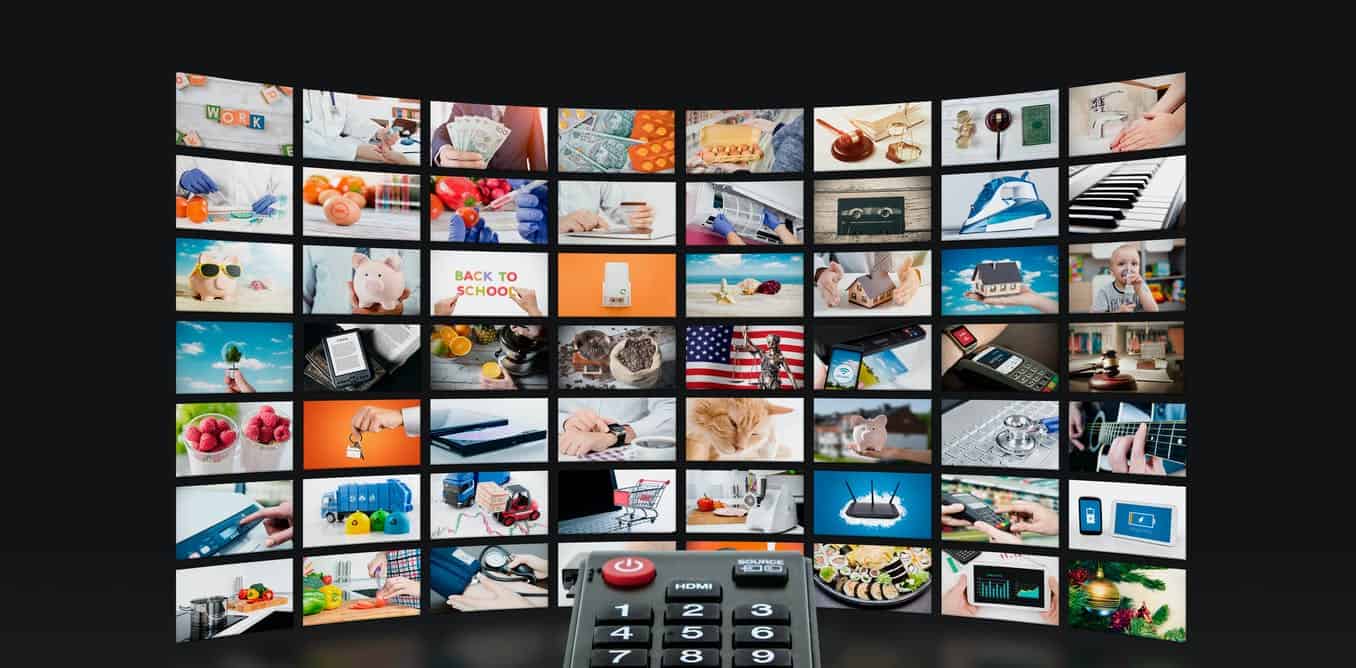
Live IPTV introduces delay. Not much, but enough to notice during shared moments like sports events. The delay comes from data traveling, processing, and rebuilding on the screen.
Reducing latency requires faster paths and optimized systems. Many improvements have already happened, but zero delay is unrealistic with internet delivery.
Most viewers accept small delays in exchange for flexibility and access.
Infrastructure Improvements Over Time
IPTV technology improves steadily. Better compression methods reduce data size. Smarter routing shortens delivery paths. Home routers improve every year.
These changes happen quietly. Viewers only notice that streams feel smoother than they used to. Problems that were common a few years ago now feel rare.
Progress in IPTV is gradual, not dramatic.
Small Fixes That Make A Big Difference
Many issues are solved close to home
- Better router placement
- Fewer connected devices during live viewing
- Wired connections when possible
- Regular device updates
These adjustments cost little but improve stability noticeably.
Crack streams often comes up again as a familiar reference point in those conversations, reflecting how IPTV challenges have become part of shared experience rather than rare problems.
Internet television will always face technical limits. Data still needs to move. Networks still get busy. Devices still age. What makes IPTV work is how quickly it adapts. Problems appear, solutions follow, and viewing continues. That quiet balance is why IPTV remains reliable enough for daily life, even when technology does not behave perfectly.